

Start with an invitation.
Place a few materials within reach and offer a simple beginning rather than a long set of instructions. A question, color, shape, texture, or building challenge is often enough to spark the first idea.
Creative play does not require an elaborate activity plan. A few approachable materials, a clear place to begin, and permission to experiment can turn an ordinary afternoon into drawing, building, storytelling, problem-solving, sensory exploration, and discovery.
The ideas on this page are intentionally flexible. Adjust materials, complexity, timing, and adult support to suit your child's interests, abilities, and stage of development.
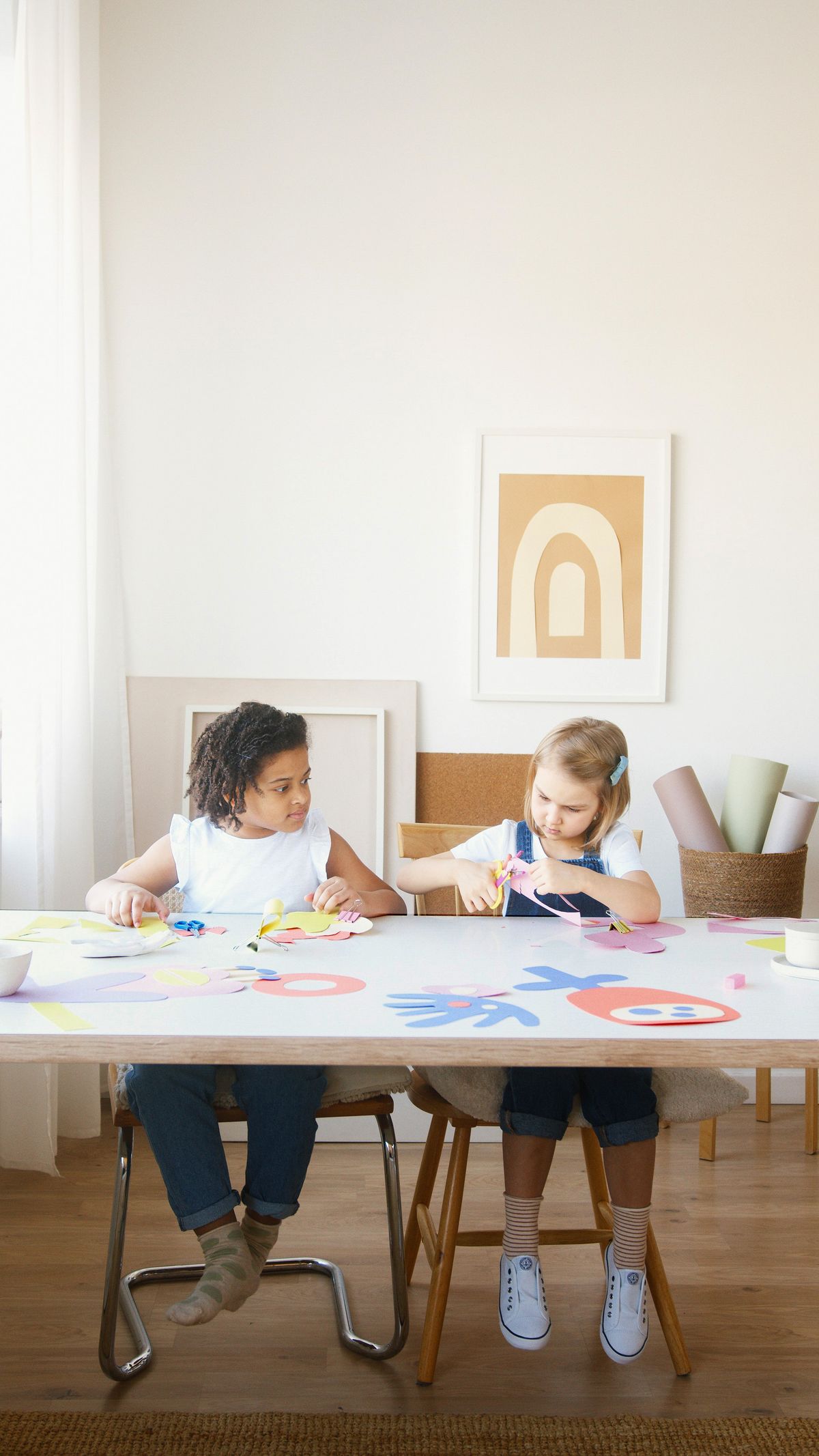
A child who receives a finished answer has very little left to investigate. A child who receives materials, a question, or a small challenge has somewhere to begin. That difference matters. Open-ended creative play gives children a chance to make decisions, change direction, test possibilities, and notice what happens next.
At WonderSprig, we see creative play as part of a wider learning rhythm. Arts and crafts can support expression and fine-motor practice. Puzzles can encourage reasoning. STEM activities can turn questions into experiments. Sensory materials invite close observation, while easels give ideas a place to become visible.
Place a few materials within reach and offer a simple beginning rather than a long set of instructions. A question, color, shape, texture, or building challenge is often enough to spark the first idea.
Creative work rarely follows a straight line. Children benefit from being able to move pieces, repaint a section, rebuild a structure, change a story, or decide that the original plan is no longer the most interesting one.
The experimenting, sorting, comparing, talking, and trying again often matter more than a polished finished object. Notice the choices a child makes instead of judging creative play only by what is produced.
These ideas are designed as starting points rather than fixed lessons. Keep the setup manageable, introduce one clear prompt, and allow the child to decide how deeply or unexpectedly the activity develops.
Choose three colors and invite your child to create a picture, collage, pattern, or imaginary place using those colors as the starting rule.
Offer a small set of stackable or construction materials and see how tall a structure can become before balance begins to change.
Gather child-safe objects with different textures and invite your child to create their own categories instead of providing the sorting rules first.
Begin with a familiar puzzle or simple game, then invite the child to change one rule and explain how everyone should play the new version.
Begin a picture with one simple object or character. Stop before completing the scene and let your child decide what happens next.
Combine drawing, building, arranging, and storytelling to create a small world with places, objects, characters, and a purpose invented by the child.
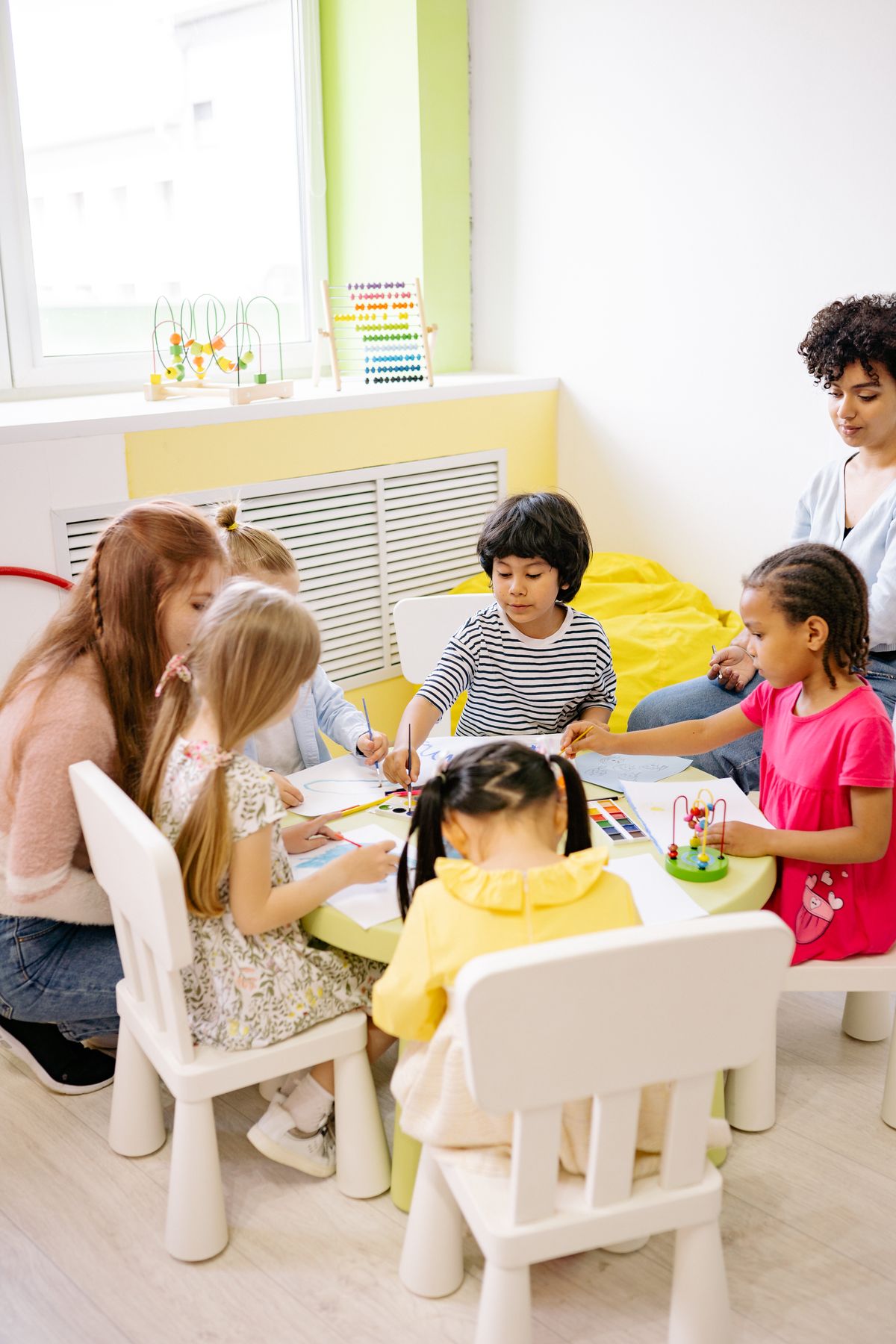
Adults can make creative play feel richer simply by being curious. You do not need to provide the best idea, correct every decision, or demonstrate the finished result. Sometimes the most useful role is to notice, ask, listen, and give the child enough time to work through a possibility.
Shared activities also create natural opportunities for conversation. Children can explain what they are making, negotiate materials, compare approaches, tell stories about their creations, and see that two people can respond to the same prompt in completely different ways.
Give children an opportunity to decide whether they want assistance instead of automatically correcting a difficult step.
Comments such as “You changed the shape of the base” can invite reflection without deciding whether the result is right or wrong.
Ask them to explain a drawing, game, structure, or invented rule. Explaining their thinking can be part of the creative process itself.
A crooked line, unusual color choice, or structure that falls can become the beginning of another idea rather than a reason to stop.
A useful creative area does not need to look like a classroom or craft studio. The goal is to reduce small barriers: make materials visible, give them predictable homes, create enough working space, and keep the setup flexible enough to change with the activity.
A kids desk and chair or another comfortable surface gives drawing, puzzles, crafts, and small experiments a familiar place to begin without requiring a full room reset.
Desk organizers can keep pencils, markers, child-appropriate craft supplies, and frequently used tools visible enough to choose while giving each category a predictable home.
Kids bookshelves and desktop book stands can keep stories, visual references, instructions, and inspiration visible without taking over the working area.
Teaching easels introduce a different physical rhythm. Standing to draw, explain, mark, and erase can make familiar activities feel new while keeping ideas visible for conversation.
Creative play needs enough freedom for pieces to spread out and plans to change. A manageable cleanup system lets children explore without turning every unfinished activity into a household problem.
Learning clocks can help children understand when an activity is beginning, when a transition is coming, and when it is time to reset the space without making play feel rushed.
Children do not bring the same attention, mood, or energy to every part of the day. Instead of forcing one activity to work at every moment, choose the kind of play that fits the rhythm already happening.
Choose a calm drawing prompt, simple puzzle, picture book reference, or sorting activity when children are ready to settle into gentle concentration.
STEM activities and construction challenges work well when a child has enough energy to experiment, revise, compare, and stay with a problem for several attempts.
Puzzles, games, collaborative drawing, and shared building give siblings or family members a reason to talk, negotiate, take turns, and create together.
End with a manageable routine that puts materials back into clear homes and gives children a chance to decide what they want to revisit next time.
Use these as optional prompts rather than assignments. Repeat the activities children enjoy, skip the ones that do not fit the day, and change the materials to work with what you already have.
Find familiar shapes around the room, sketch a few favorites, then combine them into a new imaginary object or character.
Fold, curve, stack, or connect child-appropriate paper materials to see what kinds of structures can stand without being held.
Explore safe textures around the home and create a simple drawing or collage that represents smooth, rough, soft, firm, or patterned surfaces.
Draw the beginning of a scene on paper or an easel, then let the child add characters, objects, and an ending in any direction they choose.
Use a familiar puzzle or matching activity in a new way by adding a timer-free sorting challenge, story, or invented rule.
Choose one shared building goal, then have each person contribute a piece, idea, improvement, or explanation before the next turn.
Sort materials together, display one favorite creation, return supplies to their homes, and choose one activity to keep easy to reach.
WonderSprig brings together both the activities children explore and the practical pieces that help make those activities easier to begin, organize, display, and revisit.
Turn curiosity into hands-on questions through age-appropriate building, testing, observation, and problem-solving.
Give children materials for drawing, making, combining, decorating, constructing, and expressing ideas in visible form.
Encourage tactile exploration, comparison, repetition, and focused sensory experiences appropriate to the child.
Invite pattern recognition, strategic thinking, patience, conversation, and shared family play through engaging challenges.
Create a vertical surface for drawing, early writing, explanation, imaginative scenes, and collaborative storytelling.
Establish a familiar child-scaled surface for drawing, puzzles, crafts, projects, reading, and focused independent activity.
Keep frequently used materials easier to see, select, return, and prepare for the next creative session.
Keep books and visual inspiration accessible so stories and references can naturally become part of creative play.
Hold books, activity pages, visual references, or instructions upright while both hands remain available for making.
Make beginnings, transitions, and cleanup routines easier for children to understand as part of the day's rhythm.
Creative confidence grows when children have enough support to feel secure and enough freedom to make decisions. The balance changes from activity to activity, but a few simple habits can keep adults present without becoming the director of every outcome.
A table covered with every available material can be exciting, but it can also make it difficult to begin. Try a smaller selection first and add more only when the activity naturally calls for it.
Questions such as “What might happen if…?” and “What else could work?” invite exploration. Questions with one expected answer can unintentionally turn creative play into a test.
A piece that will not balance or a plan that needs revision can be valuable. Give children time to notice the problem and experiment before offering the solution.
Instead of only saying “Great job,” notice something concrete: the colors they combined, the way they changed the structure, the patience they showed, or the story they invented.
Returning to the same puzzle, drawing idea, sensory activity, or building challenge can deepen familiarity and give children a chance to test increasingly subtle changes.
An activity does not need to continue until every material is used or every step is finished. Ending while interest is still positive can make returning tomorrow feel inviting.
The end of an activity can support independence just as much as the beginning. A short, predictable reset helps children understand where materials belong, preserves favorite work, and keeps the next creative session from starting with unnecessary friction.
Display, photograph, or set aside one project the child wants to revisit instead of treating every unfinished piece as clutter.
Return drawing tools, craft pieces, puzzle parts, and building materials to simple categories children can recognize.
Leave enough open working space that tomorrow's activity feels like an invitation rather than another cleanup task.
Put one book, puzzle, activity, or small group of materials somewhere visible to create an easy starting point for later.
Choosing products for a child's space should feel considered rather than complicated. Our store standards give U.S. families clear delivery expectations, accessible support, and flexibility after purchase.
Support is available around the clock for order questions, product assistance, or help navigating your WonderSprig shopping experience.
All products ship free, keeping the price of your order easier to understand without an additional shipping charge.
Orders are expected to arrive within 3–5 business days, helping families plan for new learning and play essentials.
Eligible products can be returned or exchanged free within 30 days, giving families greater flexibility after an order arrives.
Creative play can look different from child to child. These notes focus on keeping activities manageable, flexible, and connected to real family routines.
A blank page. Three blocks. A puzzle piece. A texture to compare. A question drawn on an easel. Creative play grows from simple invitations when children have space to notice, decide, make, revise, and return to their ideas in their own way.