

Help is available whenever questions come up.
01 WonderSprig Play & Discovery
Learning Through Play
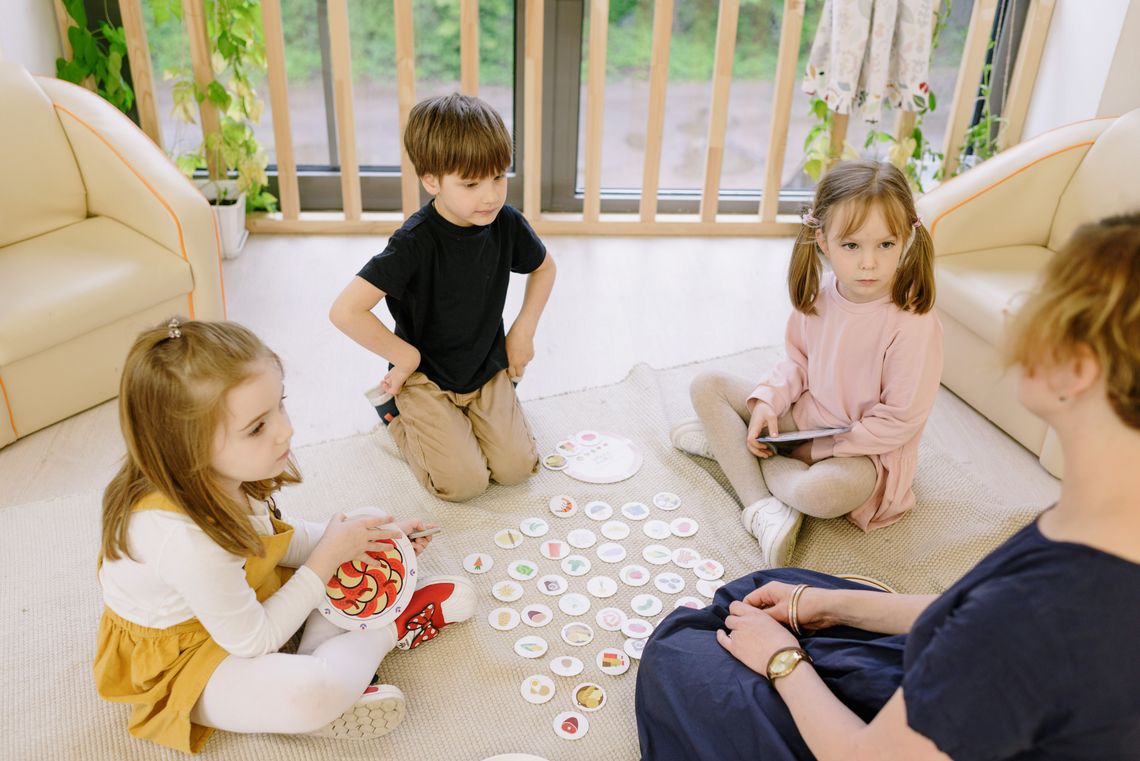
Thoughtful play turns everyday curiosity into something children can touch, test, build, rearrange, imagine, and understand. WonderSprig brings together hands-on learning tools and child-friendly spaces designed to make discovery feel natural at home.
01 / 04
Open-ended materials, simple challenges, and calm surroundings give children room to repeat ideas, change strategies, and learn at their own pace.
No added shipping charge on store purchases.
A clear delivery window for everyday planning.
Free returns and exchanges within 30 days.
The WonderSprig Approach
Play with purpose, without making it feel like a lesson.
Children often learn most naturally when they are deeply engaged in something they chose to investigate. The goal is not to turn every game into instruction. It is to create better conditions for curiosity to become meaningful practice.
Invite Curiosity
A puzzle with one surprising piece, a sensory material with an unfamiliar texture, or a simple building challenge can prompt a child to ask what happens next. That question is often the beginning of independent learning.
Make Room for Repetition
Repeating a game is not standing still. Children notice new patterns, refine movement, test faster strategies, and build confidence each time they revisit a familiar activity.
Keep the Environment Calm
Clear storage, reachable materials, child-sized furniture, visible books, and simple learning tools help reduce friction. A calmer space makes it easier for children to choose, concentrate, finish, and reset.
Let Progress Stay Playful
Growth does not need to look formal. Sorting pieces, telling a story, drawing a map, building a tower, moving beads, or solving a family puzzle can all exercise useful thinking while preserving the joy of play.
Five Play Paths
Different ways to explore the same growing mind.
Some children are drawn to building. Others begin with movement, color, texture, storytelling, or a problem to solve. A varied play environment lets those preferences become starting points rather than limits.
PATH 01
Puzzles & Games
Matching, sequencing, planning, remembering, and trying again become part of the fun when a challenge is concrete enough to hold, move, and solve.
See skills in action
PATH 02
Sensory Toys
Texture, movement, balance, pressure, and repetition can help create focused moments of exploration while giving busy hands a clear task.
Find a calm routine
PATH 03
STEM Activities
Build, test, adjust, compare, and discover through hands-on experiments that make ideas feel visible.
See our principles
PATH 04
Arts & Crafts
Drawing, making, arranging, cutting, and composing give children ways to express ideas that may not yet fit into words.
Add creative time
PATH 05
Teaching Easels
A standing surface can turn drawing, letter play, storytelling, counting, and shared family activities into something visible and collaborative. It also gives children a defined place to begin creating without taking over the whole room.
Build the learning space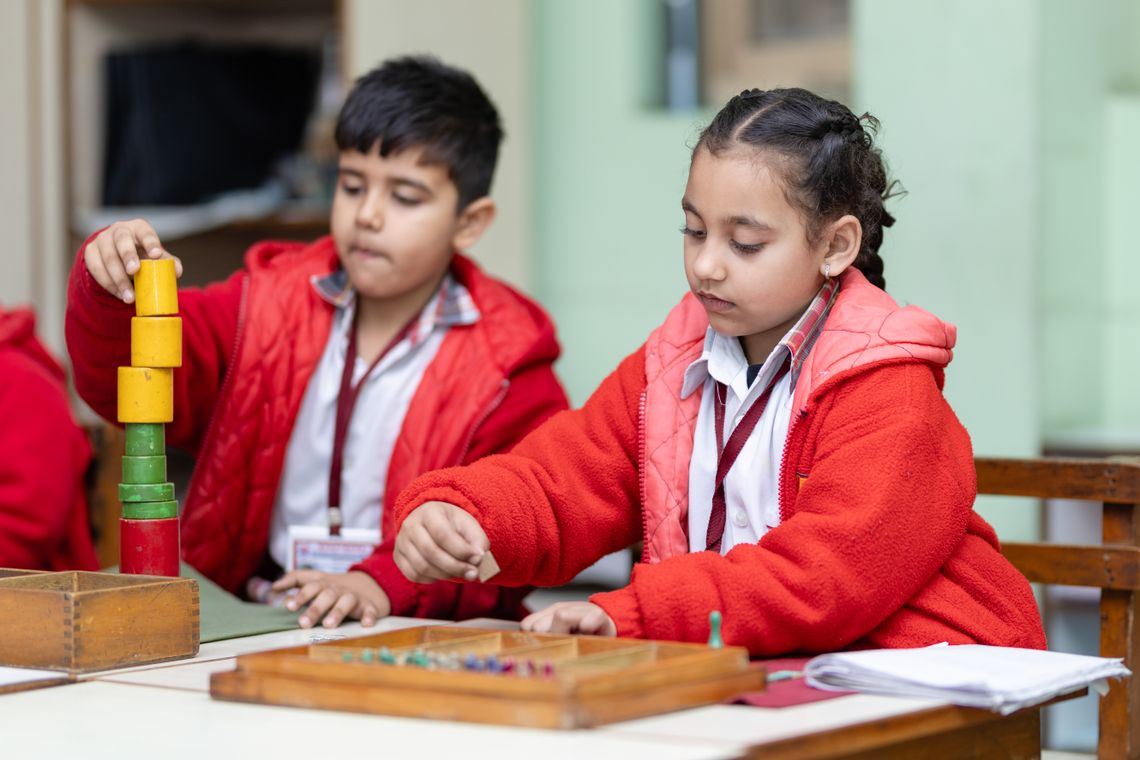
From Curiosity to Confidence
Small hands can work through surprisingly big ideas.
When a child moves a piece, notices a result, changes course, and tries again, the activity becomes more than entertainment. It becomes a small cycle of observation, decision-making, and self-correction.
01
Offer an activity with an obvious place to start but more than one possible way to continue.
02
Give children enough uninterrupted time to explore before stepping in with solutions.
03
Keep favorite materials accessible so children can return to them and notice their own progress.
The best play leaves room for a child to discover something the activity did not explicitly teach.
Skills in Motion
What children practice while they play.
One activity can support several abilities at once. The value is often found in the process: choosing, handling, comparing, communicating, persisting, and finishing.
Problem Solving
Puzzles, games, building challenges, and STEM activities encourage children to notice obstacles and test possible solutions.
Fine Motor Control
Grasping pieces, turning knobs, drawing, sorting, threading, and placing objects can strengthen precision through repeated use.
Creative Thinking
Open-ended materials give children permission to imagine alternatives instead of searching for one predetermined answer.
Concentration
A clear task, comfortable workspace, and limited visual clutter can help children stay with an activity for longer stretches.
Communication
Shared games and creative projects naturally create moments for explaining ideas, taking turns, asking questions, and listening.
Independent Choice
Reachable shelves, visible materials, and simple organization make it easier for children to choose an activity and begin on their own.
The Supporting Space
A room can quietly teach independence too.
Play materials work better when the surrounding environment makes them easy to see, reach, use, and put away. WonderSprig learning furniture and organization tools help create that structure without making a family space feel like a classroom.
Desktop Book Stands
Keep storybooks, activity guides, reference pages, and learning materials positioned for easier viewing during focused tabletop time.
→Kids Desks & Chairs
Create a child-scale place for drawing, puzzles, building, reading, and quiet projects while keeping materials gathered around one intentional work zone.
→Desk Organizers
Give pencils, markers, scissors, small learning tools, and frequently used supplies a visible home that children can understand and help maintain.
→Learning Clocks
Turn time into something children can see, touch, discuss, and connect with familiar moments such as playtime, reading, cleanup, meals, and bedtime.
→Kids Bookshelves
Keep favorite books and selected activities visible rather than hidden, making independent browsing and spontaneous reading easier to begin.
→
A Family Play Rhythm
A little structure can leave more room for imagination.
Not every day needs a schedule of activities. A few predictable moments can be enough to help children know when to explore, create, reset, and reconnect.
Morning Gentle start
Start with something familiar.
Place one quiet puzzle, sensory activity, or favorite book where it can be noticed without prompting. Familiar play can create a softer transition into the day.
Afternoon Active thinking
Offer a small challenge.
Use a STEM activity, building task, or game that asks children to investigate a question without requiring a long formal lesson.
Creative Open expression
Leave space for making.
A teaching easel, drawing surface, or organized craft station can turn a quiet period into a chance to invent, draw, tell stories, and experiment with color.
Evening Together time
Finish with connection.
A family puzzle, shared game, read-aloud, or simple recap of something created during the day can bring learning back into conversation.
Play Personalities
Follow the way your child naturally likes to explore.
Children rarely fit into one category, and preferences change over time. These starting points can help families create a more varied mix without overloading the room.
Make it move.
For children who like pieces, structures, systems, and seeing how things work.
- STEM activities
- Construction challenges
- Shape and pattern games
Create something new.
For children who communicate through color, drawing, arranging, storytelling, and imaginative projects.
- Arts and crafts
- Teaching easels
- Open-ended materials
Find the pattern.
For children who enjoy sequence, rules, matching, strategy, and satisfying moments of completion.
- Puzzles and games
- Sorting activities
- Visual challenges
Touch and discover.
For children who learn through movement, texture, repetition, experimentation, and hands-on discovery.
- Sensory toys
- Manipulative play
- Simple experiments
Choosing Thoughtfully
Fewer distractions. Better reasons to come back and play again.
A useful learning product does not need endless sounds, screens, or instructions. We favor play experiences that are understandable at a glance, rewarding to repeat, and flexible enough to remain interesting as a child's confidence grows.
Clear Purpose
The child should be able to understand what can be touched, moved, built, drawn, solved, or explored without unnecessary visual noise.
Repeatable Value
Good play materials continue to offer something after the first use, whether through new combinations, faster strategies, deeper stories, or growing independence.
Family-Friendly Organization
Materials that are easier to store, display, and return to their place are more likely to become part of a sustainable daily routine.
Room to Imagine
Activities should leave enough openness for children to add their own decisions instead of simply following a fixed sequence from beginning to end.
Calm Visual Presence
Learning tools can still belong beautifully in a family home. Balanced shapes, approachable materials, and tidy storage help the room feel intentional rather than overstimulating.
Shopping with WonderSprig
Simple service rules for busy family routines.
Choosing learning materials should feel considered, not complicated. Our store policies are designed to make browsing, delivery, and after-purchase support straightforward for U.S. families.
Customer Support
Support is available around the clock when you need help with an order or general store question.
Shipping Cost
Every product in the store ships free, keeping checkout easier to understand.
Business Days
Orders are delivered within an estimated three to five business day window.
Days to Reconsider
Free returns and exchanges are available within 30 days under our store policy.
Family Questions
Helpful answers before play begins.
These questions cover practical ways to choose, introduce, rotate, and organize learning-through-play materials at home.
What does learning through play mean at WonderSprig? +
We use the phrase to describe hands-on experiences where a child can explore an idea through doing rather than only being told about it. That can include building, drawing, sorting, balancing, solving, pretending, experimenting, or playing a game with someone else.
How many activities should I make available at once? +
A smaller, visible selection can make choosing easier. Consider keeping a few different activity types within reach, then rotating materials when interest fades or when you want to introduce a new challenge.
What can I do if my child repeats the same activity? +
Repetition can be useful. A child may be practicing speed, coordination, memory, prediction, confidence, or a new strategy even when the activity appears unchanged from the outside.
How can I make a small room feel better for play? +
Give frequently used materials clear homes. A child-height bookshelf, compact desk organizer, desktop book stand, or dedicated activity basket can establish usable zones without requiring a separate playroom.
How do puzzles and games support family learning? +
Shared puzzles and games can create natural opportunities for turn-taking, explanation, prediction, problem solving, and conversation while giving adults a simple way to participate without directing every move.
Where do STEM activities fit into everyday play? +
STEM does not need to feel formal. Building something, comparing results, testing balance, observing movement, or changing one part of an experiment can introduce useful habits of inquiry through ordinary play.
How quickly are WonderSprig orders delivered? +
WonderSprig orders are delivered within an estimated 3–5 business days. Shipping is free on all products.
What is the WonderSprig return and exchange policy? +
WonderSprig provides free returns and exchanges within 30 days, giving families additional flexibility after an order arrives.
Keep Curiosity Growing
Build a home where learning feels easy to begin.
Start with one activity children want to revisit, give it a clear place in the room, and let curiosity do some of the work. Add puzzles, sensory experiences, creative materials, STEM challenges, books, and child-friendly organization as your family's rhythm grows.