Ideas for calmer routines, curious play, creative learning, and meaningful family time.

WonderSprig Family Notes
WonderSprig editorial

Family Learning Journal

Thoughtful ideas for learning that feels at home.

A considered collection of observations, practical ideas, family rituals, and gentle learning prompts for parents creating spaces where children can read, make, organize, explore, solve, imagine, and grow with increasing confidence.

Focus Everyday learning
Perspective Family centered
Approach Gentle & practical
A real parent and child learning together at a table with books and writing materials
Read. Notice. Try. Repeat.

Why this journal exists

Small Moments Matter

Family learning is often less about adding another lesson and more about noticing what is already happening.

A child returning to the same puzzle, organizing pencils without being asked, explaining a drawing, choosing a book independently, or changing a failed design can reveal just as much growth as a finished worksheet.

Follow the Everyday

This journal looks closely at ordinary family life: reading before dinner, art at the kitchen table, a shelf a child can reach, a clock that makes the morning easier to understand, or a building activity that stretches well beyond the original instructions.

Make Room for Growth

The goal is not to make every moment educational. It is to create an environment where curiosity, independence, concentration, creativity, communication, and play have enough room to appear naturally.


A Reading Corner Children Can Actually Use

The most inviting reading space is not necessarily the largest or the most decorated. It is the one where books can be seen, reached, opened, supported, enjoyed, and returned with as little friction as possible.

A low bookshelf can make choosing more independent. A desktop book stand can support comfortable viewing at a table. A nearby chair, floor cushion, or child-sized desk can give reading a reliable place without making it feel overly formal.

Continue the reading note →

Why Repeating the Same Activity Can Be Progress

Familiar activities can free children to refine technique, test variations, work for longer, and notice details that were invisible the first time.

The Quiet Power of a Predictable Setup

When materials have a familiar place, children can spend less energy locating what they need and more energy beginning, continuing, and eventually tidying independently.


Browse by perspective

The Reading Map

Move through the journal by the kind of family moment you want to understand, support, or make easier.

01

Focus & Study

Ideas for desks, book stands, organization, attention-friendly routines, comfortable reading, and practical ways to make focused work easier to begin.

Study Essentials
02

Creativity & Making

Reflections on drawing, crafting, open-ended materials, teaching easels, project setup, experimentation, and giving ideas enough space to become visible.

Arts & Crafts
03

Curiosity & STEM

Simple ways to support building, testing, comparing, prediction, observation, cause and effect, and the many useful questions that begin with "what if?"

STEM Activities
04

Sensory Discovery

A closer look at tactile exploration, movement, visual interest, pacing, repetition, and thoughtful ways to keep sensory experiences purposeful and manageable.

Sensory Toys
05

Puzzles & Thinking

Notes on problem solving, persistence, flexible thinking, turn-taking, strategy, pattern recognition, and knowing when to help versus when to wait.

Puzzles & Games
06

Independence & Order

Practical thinking around accessible storage, child-sized furniture, visual routines, learning clocks, and environments that help children do more for themselves.

Daily Routines
07

Reading & Language

Ways to make books visible, conversation richer, vocabulary more natural, storytelling more playful, and shared reading easier to return to throughout the week.

Books & Literacy
08

Family Connection

Ideas for participating without taking over, asking useful questions, sharing projects, playing together, and noticing progress without turning every experience into evaluation.

Growing Together

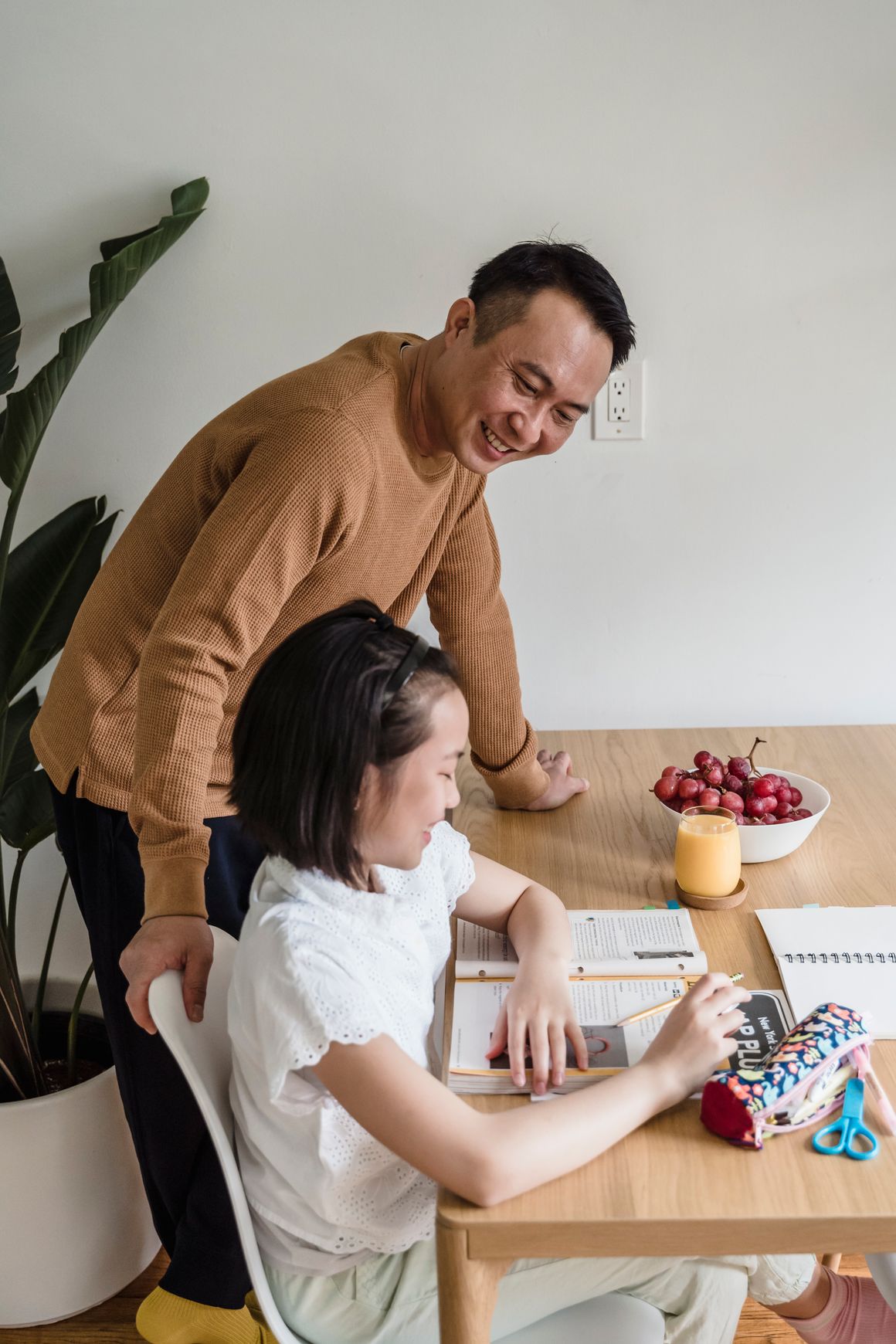
A real father and child reading a book together at home
A closer observation

Notice Before Adding

Sometimes the best improvement to a learning space begins by observing where the current routine breaks.

Before adding another product, watch a familiar activity from beginning to end. Where does the child hesitate? What do they need to ask an adult to reach? What gets lost? Which part becomes uncomfortable? What do they return to without prompting? These observations can make product choices more specific and more useful.

Access
Can the child reach what they need? A lower shelf, visible book display, or accessible organizer can reduce unnecessary adult intervention.
Comfort
Does the setup support the activity? A stable desk, supportive chair, or book stand can make longer reading, writing, and drawing sessions easier.
Clarity
Is it obvious where things belong? Simple organization can make both starting and tidying feel more manageable for young learners.
Interest
What keeps drawing the child back? Repeated interest can be a useful signal when choosing books, puzzles, sensory materials, crafts, or STEM activities.

Notes for the grown-ups

A Softer Measure

Useful progress is not always a score, a finished page, or a perfectly completed project. Sometimes it is a change in how a child approaches the experience.

01

Notice the Process

Watch for longer concentration, a new strategy, more careful observation, increased willingness to try again, clearer communication, or a child beginning without waiting for an adult to direct every step.

02

Leave Some Space

A pause before helping can give children time to think. When the situation is safe and appropriate, a little extra space may reveal a solution, question, experiment, or decision that would otherwise be replaced by adult instruction.

03

Value the Return

Repetition often carries information. A child who repeatedly chooses the same puzzle, art material, book, building activity, or sensory experience may be developing confidence and complexity through familiarity.

The goal is not to fill every hour with learning. It is to help children recognize that learning already belongs in the life they are living.
WonderSprig Family Learning Journal
Morning

Begin with something children can understand.

A learning clock, visual routine, prepared desk, or organized set of materials can make the beginning of the day more predictable without requiring constant verbal reminders.

Mid-Morning

Offer one focused invitation.

A puzzle, short STEM activity, drawing prompt, open book, or small construction challenge can create a clear starting point while leaving enough room for the child to decide how far to take it.

Afternoon

Change the kind of attention being asked for.

If the morning involved concentrated sitting, consider a more tactile or creative experience later. Sensory materials, an easel, crafts, or building activities can bring a different rhythm to the day.

Early Evening

Let organization close the activity.

Returning books, sorting pencils, placing puzzle pieces back, or clearing a desk can become part of the learning experience when storage is simple enough for children to participate.

Evening

End with connection rather than performance.

Shared reading, a calm game, conversation about a project, or simply noticing something a child enjoyed can help close the day without turning every activity into a lesson review.


The journal shelf

Ideas to Return To

Short editorial prompts for common questions that appear while families build learning routines at home.

Read in any order. Keep the ideas that fit your family and leave the rest.

Reading 01

Put Fewer Books Where Children Can See Them

A smaller visible selection can sometimes invite more intentional choosing than an overflowing shelf. Rotate books periodically and keep current favorites within easy reach.

Organization 02

Give the Most-Used Materials the Easiest Home

Everyday pencils, paper, scissors, notebooks, and current project materials should be easier to access than supplies that are only used occasionally.

Creativity 03

Ask About the Idea Before Praising the Result

Questions such as "What were you trying here?" or "Which part changed as you worked?" can open richer conversations than focusing only on whether the finished project looks good.

Problem Solving 04

Wait a Little Longer Before Offering the Answer

When frustration is still manageable, a short pause can give children time to test another puzzle piece, reread a clue, rotate an object, or invent a new strategy.

STEM 05

Let the Prediction Come Before the Explanation

Before demonstrating what will happen, ask children what they think might happen and why. The prediction creates a reason to observe the result more carefully.

Routine 06

Make Time Visible When Words Are Not Enough

Learning clocks and visual routines can help make abstract ideas such as "soon," "later," or "after lunch" more concrete for children who benefit from seeing the sequence.

Sensory Play 07

Change One Variable Instead of the Whole Activity

When a sensory experience becomes familiar, change the texture, container, tool, movement, or sorting challenge rather than replacing the entire activity.

Family Connection 08

Let Children Teach You Something They Just Learned

Explaining a puzzle strategy, demonstrating a craft technique, describing a STEM result, or retelling a story can help children organize what they understand.


From idea to environment

Tools with a Purpose

Products become more useful when they solve a specific friction point in a real routine.

WonderSprig brings together learning furniture, organization, reading tools, creative materials, sensory play, STEM activities, puzzles, games, and teaching surfaces so families can build environments around what children are actually doing.

01
Desktop Book Stands
Useful when books, workbooks, reference pages, or drawing prompts need to remain visible while a child reads, writes, copies, or works with both hands.
02
Kids Desks & Chairs
Designed to create a recognizable place for reading, drawing, building, writing, homework, projects, and other focused activities.
03
Desk Organizers
Helpful for making tools easier to locate, keeping current projects visible, simplifying cleanup, and supporting more independent preparation.
04
Learning Clocks
Useful for connecting time concepts to daily routines, transitions, visual schedules, and hands-on practice with hours and minutes.
05
Kids Bookshelves
Helpful for keeping books visible and accessible so children can browse, select, return, and revisit favorites with less adult assistance.
06
STEM Activities
Support building, experimenting, observing, comparing, testing, pattern recognition, cause and effect, and problem solving through hands-on exploration.
07
Arts & Crafts
Create room for drawing, cutting, assembling, coloring, decorating, experimenting with materials, and turning imagined ideas into physical projects.
08
Sensory Toys
Add tactile, visual, and movement-based experiences that invite exploration, comparison, repetition, manipulation, and sensory discovery.
09
Puzzles & Games
Bring strategy, pattern recognition, memory, patience, problem solving, turn-taking, conversation, and shared family play into one experience.
10
Teaching Easels
Provide an upright surface for drawing, letters, numbers, visual explanation, pretend teaching, brainstorming, collaborative activities, and open-ended creativity.

WonderSprig service

Family-Friendly Service

Straightforward shipping, reliable support, clear delivery expectations, and a flexible return window help make the practical side of shopping feel simpler.

Service terms shown here apply to purchases made through the WonderSprig U.S. storefront.

24/7 Customer Support

Our support team is available around the clock for order questions, product assistance, delivery concerns, returns, and exchanges.

Free Shipping

All WonderSprig products include free shipping, helping keep checkout straightforward without an additional standard shipping charge.

3–5 Business Days

Orders are delivered within an estimated 3–5 business days so families can plan upcoming activities, learning spaces, and everyday routines.

30-Day Free Returns

Free returns and exchanges are available within 30 days, offering added flexibility when an eligible item is not the right fit.


Does family learning need a fixed daily schedule?

No. A predictable rhythm can be helpful, but it does not need to be rigid. Many families find it more sustainable to create familiar windows for reading, creative work, play, projects, or shared activities while allowing the exact timing and duration to change with the day.

How can I encourage independence without giving too little support?

Begin by making the environment understandable and accessible. Show a process when necessary, keep materials reachable, and offer clear boundaries. Then allow enough time for the child to attempt the next step before stepping in again. The amount of support can change from activity to activity and from day to day.

Is repeating the same puzzle or activity useful?

Repetition can be valuable. Familiarity may allow children to work more efficiently, notice new details, try a more complex strategy, increase independence, or simply enjoy the confidence of knowing how an activity works. Newness is not the only form of challenge.

How do I choose products for a home learning space?

Start with the activity and the practical problem you want to solve. Consider available space, product dimensions, accessibility, intended age guidance, materials, the individual child's needs, and whether the product can support a routine you expect to repeat. Always review the individual product information before purchase.

Do creative activities need a finished goal?

Not always. Some activities benefit from a clear goal, while others are valuable precisely because children can explore materials without trying to produce one correct result. Open-ended drawing, construction, color mixing, arranging, and making can support decision-making and experimentation.

How much should an adult participate in play and learning?

There is no single ideal amount. At times children benefit from demonstration, conversation, collaboration, or supervision. At other times independent exploration is more useful. Watch the child's engagement and the requirements of the specific product or activity, and adjust your participation accordingly.

Do you offer free shipping on WonderSprig products?

Yes. WonderSprig provides free shipping on all products through our U.S. storefront.

How long does delivery normally take?

Our standard delivery timeframe is 3–5 business days. Customer support is available 24/7 if you need assistance with an order or delivery question.

What is the WonderSprig return and exchange policy?

WonderSprig offers free returns and exchanges within 30 days for eligible purchases, giving families additional flexibility when an item is not the right fit.

Keep curiosity close

Build a home where questions, making, reading, and play have room to return.

Family learning does not have to be elaborate. A thoughtfully placed book, an organized set of tools, a comfortable desk, a puzzle left within reach, or an invitation to create can be enough to begin the next meaningful moment.

Store information

WonderSprig

1608 E Garland Ave
Spokane, WA 99207
United States
Store
WonderSprig
Email
support@wondersprig.lol
Phone
+1 (817) 778-5033
Support
Available 24 hours a day, 7 days a week